10 Signs You Need Professional Garage Door Repair in Flower Mound, TX

Your garage door is one of the largest moving systems in your home and plays a critical role in security, convenience, and curb appeal. Most homeowners use their garage door multiple times each day without giving it much thought—until something goes wrong. Unfortunately, garage door problems rarely fix themselves. What starts as a minor issue can quickly turn into a costly repair or even a safety hazard if ignored.
For homeowners Garage door repair in flower mound, recognizing the early warning signs of garage door trouble can help prevent unexpected breakdowns and extend the life of the system. Whether your garage door is making strange noises, operating unevenly, or refusing to open properly, addressing the problem promptly can save both time and money.
In this guide, we'll cover the 10 most common signs that indicate it's time to schedule professional garage door repair in Flower Mound.
1. Your Garage Door Is Making Unusual Noises
A garage door should operate relatively smoothly and quietly. While some sound is normal, excessive grinding, squeaking, rattling, or banging noises often indicate a problem.
Common causes include:
Worn rollers
Loose hardware
Damaged hinges
Misaligned tracks
Lack of lubrication
Ignoring unusual noises can allow components to wear out faster and place additional stress on the garage door system. A professional inspection can identify the source of the noise and prevent further damage.
2. The Door Opens or Closes Slowly
If your garage door takes longer than usual to open or close, there may be an issue with the opener, springs, or tracks.
Slow operation can result from:
Aging garage door openers
Weak springs
Damaged rollers
Track obstructions
Electrical issues
A slow-moving garage door not only causes inconvenience but may also signal that critical components are nearing failure.
3. The Garage Door Won't Open or Close Completely
One of the most obvious signs that something is wrong is when the garage door refuses to open or close fully.
Possible causes include:
Broken springs
Sensor malfunctions
Damaged cables
Opener problems
Track misalignment
A partially functioning garage door can compromise security and make your property vulnerable to unauthorized access.
4. The Door Appears Crooked or Uneven
A garage door should move evenly along both tracks. If one side appears higher than the other or the door looks crooked while operating, it often indicates a mechanical issue.
Common causes include:
Broken cables
Spring damage
Track problems
Roller issues
Operating a crooked garage door can place additional strain on the opener and lead to more extensive repairs if not addressed promptly.
5. Your Garage Door Reverses Unexpectedly
Modern garage doors are equipped with safety sensors designed to prevent accidents. If your door starts to close and suddenly reverses direction without an obvious obstruction, there may be a problem with the sensor system.
Potential issues include:
Dirty sensors
Sensor misalignment
Wiring problems
Opener calibration issues
Professional troubleshooting can restore proper sensor functionality and ensure safe operation.
6. You Notice Frayed or Damaged Cables
Garage door cables work alongside springs to support the weight of the door during operation. Over time, these cables can become worn, rusted, or damaged.
Signs of cable damage include:
Frayed strands
Loose cables
Hanging cable sections
Uneven door movement
Damaged cables create serious safety risks and should be replaced immediately by trained professionals.
7. The Garage Door Feels Heavy
A garage door should feel relatively balanced when operated manually. If the door suddenly feels much heavier than usual, the springs may no longer be providing adequate support.
This often indicates:
Broken torsion springs
Worn extension springs
Improper spring tension
Because garage door springs are under extreme tension, repairs should always be performed by experienced technicians.
8. The Door Has Come Off Its Tracks
An off-track garage door is one of the most serious problems homeowners can face.
Causes may include:
Impact damage
Broken rollers
Worn cables
Bent tracks
Signs of an off-track garage door include:
Crooked operation
Grinding noises
Visible gaps between rollers and tracks
Door becoming stuck
Attempting to force an off-track garage door can cause further damage and increase repair costs.
9. Your Energy Bills Are Increasing
Many homeowners are surprised to learn that an aging or damaged garage door can contribute to higher energy costs.
Poor insulation, damaged weather seals, and gaps around the door can allow outside air to enter your garage, affecting indoor temperatures.
Common issues include:
Worn weather stripping
Damaged panels
Improper door alignment
Aging insulation
Addressing these problems can improve energy efficiency and help maintain comfortable indoor temperatures throughout the year.
10. The Garage Door Breaks Down Frequently
If you're repeatedly dealing with the same garage door issues, it may be a sign that the system requires professional attention.
Frequent breakdowns can result from:
Aging components
Poor maintenance
Improper previous repairs
General wear and tear
Instead of paying for repeated temporary fixes, a professional inspection can identify the root cause and recommend long-term solutions.
Why Prompt Garage Door Repairs Matter
Many homeowners delay repairs because the garage door is still partially functioning. However, waiting too long can lead to larger problems and more expensive repairs.
Timely repairs can help:
Prevent component failure
Improve home security
Extend system lifespan
Enhance safety
Reduce long-term repair costs
Addressing issues early often saves money compared to waiting for a complete breakdown.
How Flower Mound Weather Affects Garage Doors
Flower Mound experiences hot summers, seasonal storms, humidity, and fluctuating temperatures throughout the year. These environmental factors can accelerate wear on garage door components.
Weather-related challenges include:
Extreme Heat
High temperatures can cause metal parts to expand and place additional stress on springs and tracks.
Humidity and Moisture
Excess moisture can contribute to rust formation on springs, cables, and hardware.
Storm Damage
Strong winds, hail, and severe weather can damage panels and affect garage door alignment.
Routine maintenance helps reduce the impact of these environmental factors and keeps your garage door operating efficiently.
The Benefits of Professional Garage Door Maintenance
Many garage door problems can be avoided through regular inspections and maintenance.
Professional maintenance services typically include:
Lubricating moving parts
Tightening hardware
Inspecting springs and cables
Testing safety sensors
Checking opener performance
Evaluating door balance
Annual maintenance can help identify potential issues before they develop into costly repairs.
Why Homeowners in Flower Mound Choose Professional Garage Door Repair
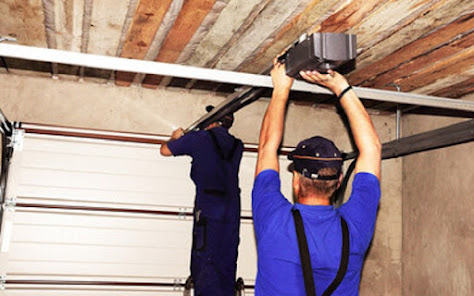
Professional technicians have the training, experience, and specialized tools necessary to safely diagnose and repair garage door problems.
Benefits of hiring a professional include:
Accurate diagnosis
Safe repairs
High-quality replacement parts
Long-lasting solutions
Reduced risk of injury
Improved garage door performance
Attempting complex repairs without proper training can create safety hazards and potentially worsen the problem.
Schedule Garage Door Repair in Flower Mound, TX
If you've noticed any of these warning signs, don't wait until your garage door stops working completely. Prompt repairs can improve safety, restore convenience, and prevent more expensive damage down the road.
Whether you're dealing with broken springs, damaged cables, noisy operation, opener problems, or an off-track garage door, Green Eagle Garage Door Company is here to help.
Our experienced technicians provide dependable GarageDoor Repair in Flower Mound, TX and can quickly diagnose and resolve a wide range of garage door issues. Contact us today to schedule an inspection and keep your garage door operating safely and efficiently.

Comments
Post a Comment